Why Paid Ads Are a "Sugar High" (And How to Actually Build a Brand)
Why Paid Ads Are a "Sugar High" (And How to Actually Build a Brand)
11 min read
11 min read
The Trap Every Business Owner Falls Into
Let’s be real for a minute. We’ve all been there.
You launch a Facebook or Google ad campaign, and for the first few days, it feels like magic. The traffic spikes, the sales notifications pop up on your phone, and you think, "Finally, I’ve cracked the code."
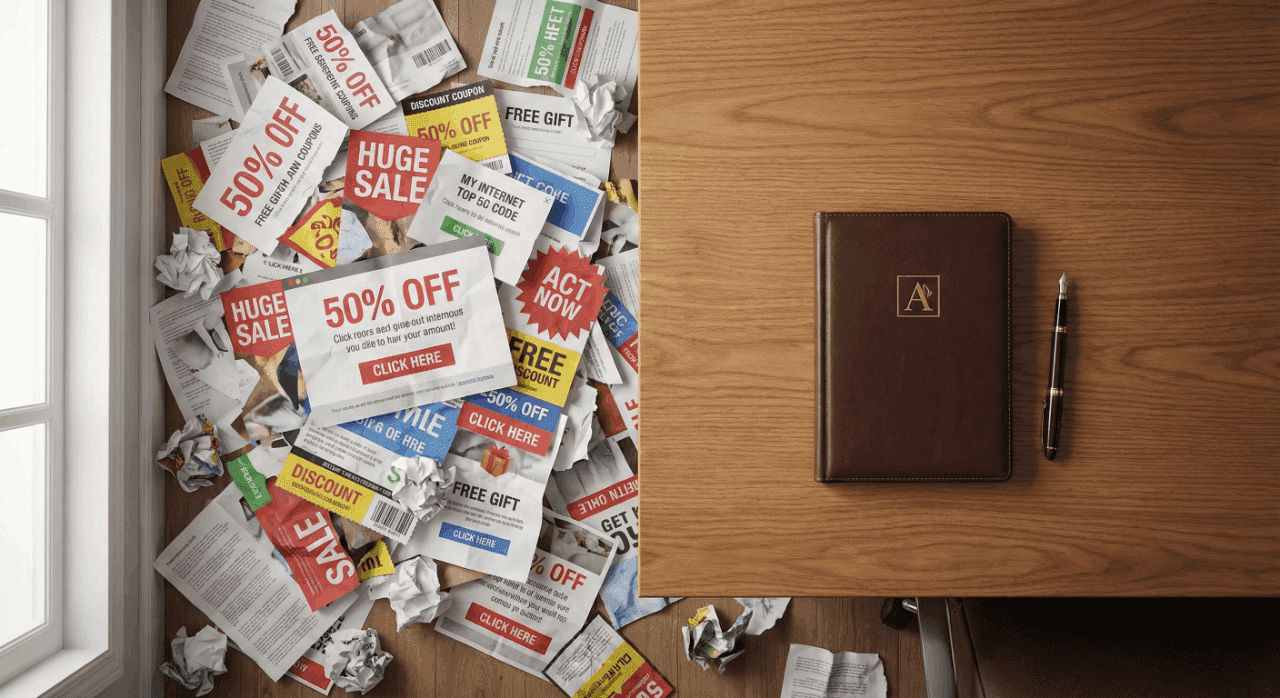
But here is the uncomfortable truth that most media buyers won't tell you: Paid ads are a sugar high, not a meal.
It’s addictive. You put a dollar in, you get two dollars out. But the moment your budget runs out, or the algorithm changes, the traffic stops. Your sales are dead.
If your entire business depends on "renting" attention from Mark Zuckerberg, you don't really have a business. You have a very expensive, high-interest loan.
In 2026, relying only on paid ads is a dangerous thing. Why? Because the cost of "renting" a customer is going very high.
Every single brand is fighting for the same tiny spot in the Instagram feed. This is increasing the price of ads and decreasing your profit margins.
But there’s a bigger solution: Trust.
Modern buyers have "ad blindness." When they see a sponsored post from a brand they’ve never heard of, they don't just click "Buy." They click your profile.
If they land on an Instagram page with generic stock photos and zero comments, they leave. And you? You just paid for that click for nothing.
You don’t have to take my word for it. Let’s look at the most famous marketing pivot of the decade: Airbnb.
A few years ago, Airbnb made a radical, terrifying decision: they cut their performance marketing spend by $541 million.
They stopped spending money on Google Ads to "buy" clicks. Critics and investors thought they were crazy. They predicted the business would crash without that constant flow of paid traffic.
But here is what actually happened:
1. Their traffic stayed at 95% of previous levels.
2. They reported their first-ever full year of profit right after making the cut.
3. They realized that nearly 90% of their guests were coming directly to them, not clicking ads.
Airbnb realized they had spent so much time "buying" customers. Once they focused on storytelling and their "Belong Anywhere" mission, the ads became unnecessary. People didn't need a reminder to use Airbnb; they trusted the name.
Why did it work? Because Airbnb had spent years building a Brand. People didn't need a Google Ad to remind them Airbnb existed; they searched for the name because they trusted the experience. They had built a community, not just a funnel.
You can read the full breakdown of their strategy shift here: Airbnb Cuts Performance Marketing by $541M (Case Study)
Adidas went through a similar crisis. For years, they focused purely on "Digital Performance"—ads that led directly to a product page. They were obsessed with clicks and immediate ROI.
However, after using advanced data modelling, they discovered something shocking: 65% of their sales across wholesale, retail, and e-commerce were actually driven by "Brand Activity," not the ads people clicked on.
They had over-invested in the "bottom of the funnel" (the sale) and neglected the "top of the funnel" (the relationship). They realized that if people don't care about the brand, the ad at the bottom of the funnel has to work twice as hard and cost twice as much.
We are living in the era of "Social SEO." People don't just use Google anymore; they use Instagram and YouTube to search for brands.
When a potential customer sees your ad, they do something very specific: They click your profile before they click your website.
If your videos look like cheap commercials...
If there is no "human" behind the brand...
They leave. You just paid for a click that resulted in a bounce. This is why "Ads alone" can't scale. You need a "Landing Environment"—an organic social presence that proves you are a real, trustworthy authority.
So, does this mean you should never run ads? Of course not. Paid ads are powerful—but they should be the fuel, not the engine.
You should use the "Test-Then-Invest" Hybrid Model. Here is how you can do this :
Phase 1: Organic is the Focus Group. Use high-quality, cinematic organic content to see what real people actually like. Look for Saves and Shares—the metrics that prove people find value in what you do.
Phase 2: Boost the highly performing content. Only then do spend money. If a Reel goes viral organically, put ad spend behind it. We aren't paying to find out if it works; we are paying to show proven content to more people.
Phase 3: Build the Connection: Focus on storytelling. When you actually show up for your audience with human-centric content, they buy from you because they trust you, not because you interrupted their scrolling with a discount code. This turns one-time shoppers into lifelong customers and builds a brand people actually care about.
Marketing shouldn't feel like a gamble. It should feel like a reliable investment.
You didn't start a business to stress over daily ad costs: you started it to build something real. It’s time to move away from quick fixes and create a strategy that secures your future.